GENERAL INQUIRIES
info@forward.oneMARKETING INQUIRIES
media@forward.oneINVESTOR RELATIONS
ir@forward.oneYou understand an ecosystem differently when you spend four weeks immersed in it.



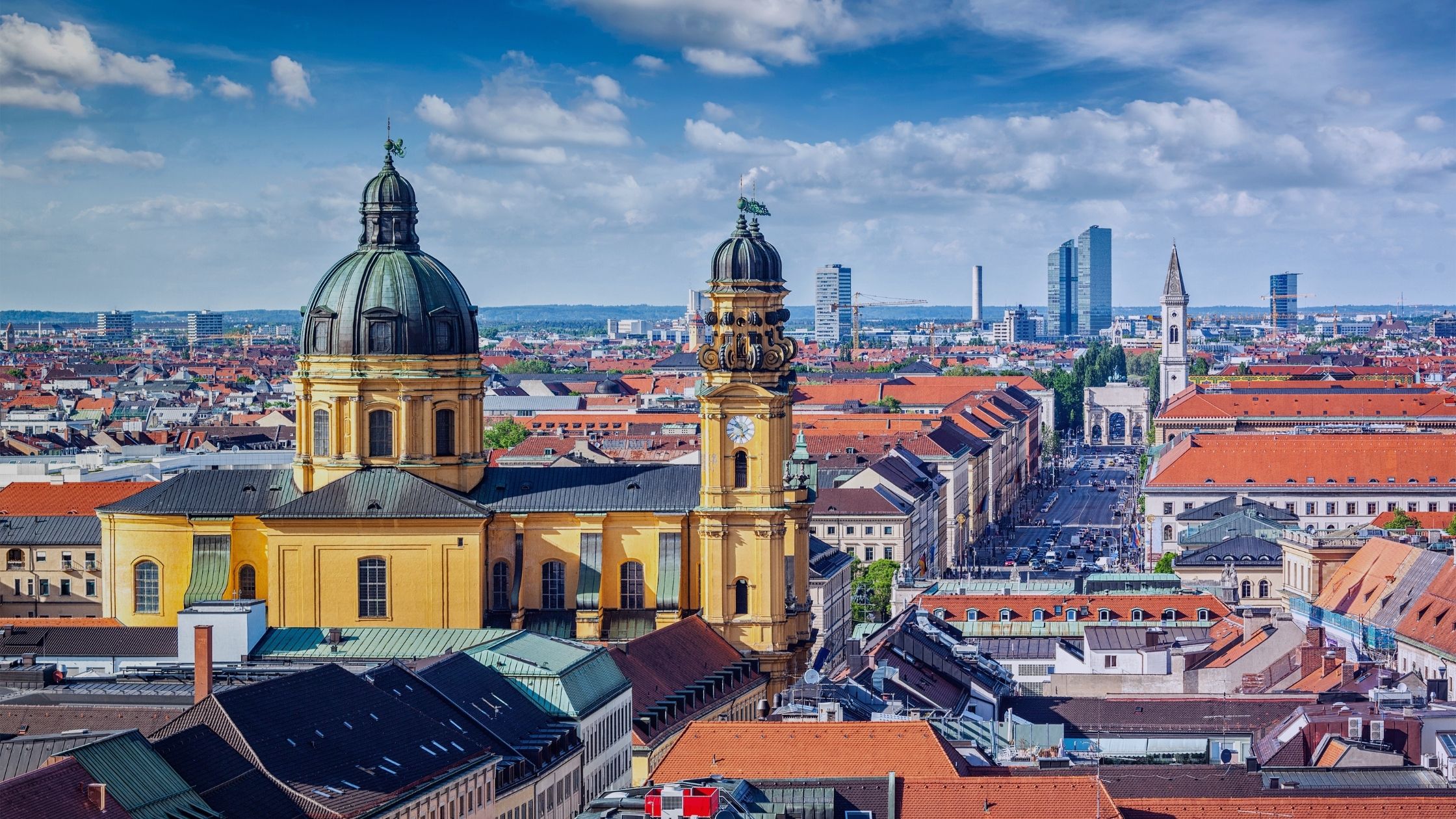
A few weeks ago, Paul, Julia and I went to Munich to meet the teams building at the edge of industrial tech and deeptech. Over the course of four weeks we met with co-investors, ecosystem builders and the engineers founding the next generation of industrial tech companies. We also hosted our very own founder demo day, where we sat down with 18 founders across autonomy, robotics, manufacturing, and energy tech. We left the room extremely inspired.
The goal of our trip: understand where Europe’s next industrial champions are being built.
What stood out to me in Munich was how grounded the ecosystem feels. There is a strong focus on engineering depth and industrial relevance, with founders building companies that can solve tangible problems in the market.
The engineering culture runs deep here. Many founders are domain experts first and entrepreneurs second. Conversations start with systems, deployment, and reliability. Technical credibility is expected, but there is also a clear understanding that technology only matters if it gets deployed.
That mindset is reinforced by proximity to industry. Companies like BMW, Siemens, Airbus, Infineon, MAN, Bosch are real customers, partners, and testing grounds within reach. Technologies can be validated and deployed against actual industrial use cases much earlier.
The ecosystem itself has matured as well. World class universities like TUM and LMU continue to produce world-class technical talent. And the capital concentration is there too. Shoutout to all the fantastic VC funds that are headquartered and investing in Munich (like First Momentum, Vsquared, ProjectA, Rethink, Possible Ventures (and many many more). And even our Dutch friends, Innovation Industries.
What struck me most was the level of ambition. Founders here are willing to tackle some of Europe's hardest technological challenges, but with a clear focus on turning breakthrough technology into scalable businesses. During a visit to Proxima Fusion, I was reminded of that mindset: big vision, paired with a relentless focus on execution.
Across dozens of meetings, a few themes came up again and again.
Europe is rethinking its dependencies. Whether in semiconductors, energy systems, defense, or automation, there is a growing urgency to build critical technologies locally.
Founders are responding to that challenge. Compared to when FORWARD.one started in 2017, I see significantly more deeptech and hardware companies tackling critical technologies. The volume of opportunities has increased, but so has the ambition
At the same time, commercialization remains the bottleneck. Europe is exceptionally strong in research, but turning that research into scalable companies is still difficult. The founders who stand out to me most are those who think about customers, deployment, and revenue much earlier.
Another shift is the growing openness around dual-use. Technologies developed for industrial efficiency increasingly have clear applications in resilience and security. Compared to even two years ago, founders are more direct about this reality.
The first company I invested into in Munich was driveblocks. During my time there, I sat down with Alexander, founder and CEO of driveblocks, to talk about the realities of building autonomy in Europe, from technical bottlenecks to deployment and the path toward production-grade systems.
One thing became very clear during our conversation: autonomy is increasingly becoming part of Europe's resilience agenda.
Labour in Europe is expensive, and fewer people want to work in dusty, dirty, or dangerous environments. Nor should they have to. Machines can take on these tasks and operate around the clock.
The same technologies increasingly have relevance beyond industrial efficiency. If autonomous systems can take people out of hazardous environments, improve critical infrastructure, or strengthen food production, they contribute directly to Europe's resilience.
Autonomy works well in controlled environments. However, it fails in the real world.
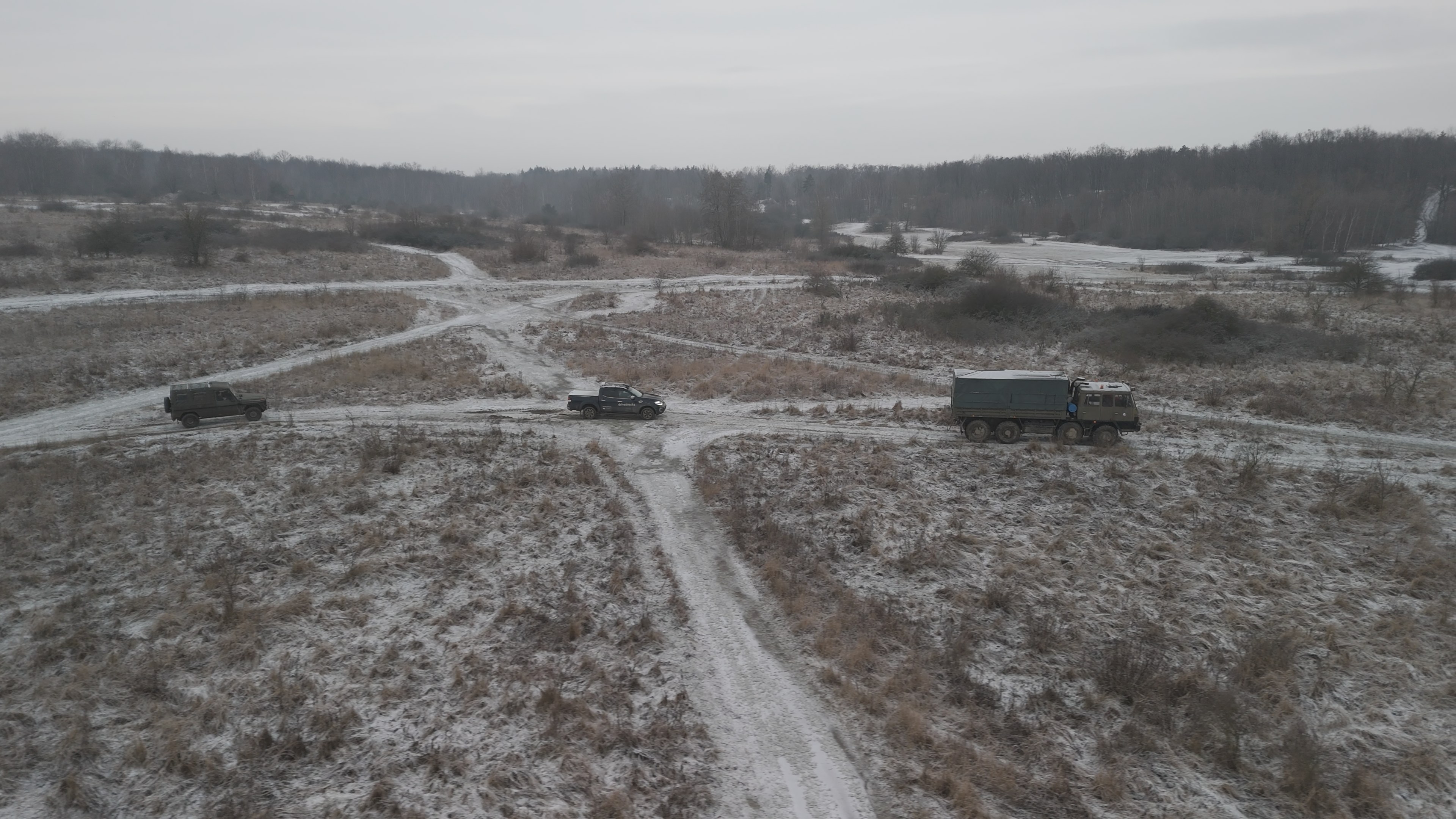
Off-road industries like agriculture, construction, mining, and defense operate in environments that are unstructured and unpredictable. This is where most autonomy systems break down.
The market context makes this urgent. Labor shortages and operational pressure are pushing demand for automation across agriculture, mining, construction & defense. These markets are worth billions. But without perception systems that can handle real-world complexity, the demand to automate these markets cannot be met.
driveblocks was founded to close that gap.
The team is tackling one of the hardest parts of autonomy: perception, edge cases, and compute efficiency in real-world environments. But equally important, they are building alongside customers and OEMs from the beginning.
What stood out in the team was their focus on execution from day one. There is a clear understanding that building the technology is only part of the challenge. Getting it deployed with real customers in real off-road environments is what defines success. Their technology stack compounds with every hour of live deployment on a vehicle, in any of the above use-cases.
What companies like driveblocks reflect is a broader shift happening across Munich's industrial tech ecosystem.
Many of the founders we met are thinking about commercialization much earlier. There is a growing awareness that technical breakthroughs alone are not enough. Deployment, industrial adoption, and production-readiness increasingly shape how companies are built from day one.
Munich is particularly well-positioned because it brings together all the ingredients required to make that happen: strong engineering talent, deep industrial expertise, world-leading OEMs, and investors who understand industrial technology.
Some of the most ambitious founders in Europe are building here. They are not afraid to put it all on the line and work on technologies that move the needle.
That matters beyond Munich. Europe's resilience will increasingly depend on its ability to build and scale critical technologies of its own: AI infrastructure, quantum computing, energy systems, grid-scale storage, space infrastructure, and advanced industrial capabilities.
Europe already has the ingredients to build globally significant industrial technology companies. What comes next is execution, at speed and at scale.
We need more of our best talent working on technologies that move the needle.
At FORWARD.one, this is exactly where we focus: backing founders who combine deep technical innovation with a clear path to commercialization.
Because technology without commercialization is just expensive science.