GENERAL INQUIRIES
info@forward.oneMARKETING INQUIRIES
media@forward.oneINVESTOR RELATIONS
ir@forward.one

Picking something up takes more than sight. You need to know how hard to grip, and when it starts to slip.
Most robots don't have that. They learn mainly from what they see, and vision says little about contact: how firmly an item is held, or how soft or fragile it is. That makes it hard for robots to work reliably on real sites.
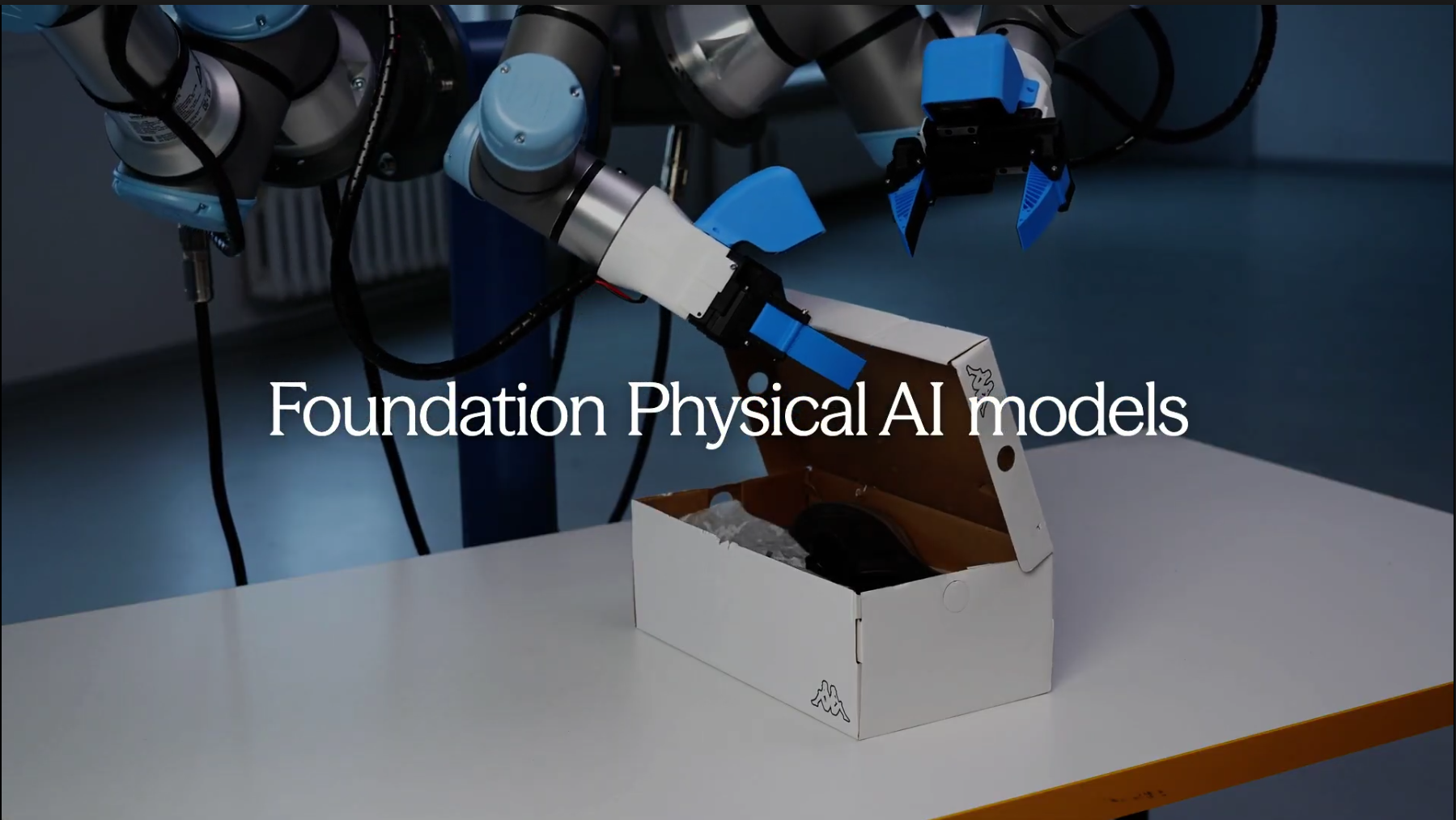
Lute is a physical AI company building foundation models that give robots a sense of touch.

We invested in Lute because robot hardware now costs a fraction of what it did in 2020, and the remaining obstacle is making robots reliable on real sites. That's where Lute starts.
It co-designed compact, elastomer-based tactile sensors with a partner and built them into a portable setup that collects touch-rich data at scale. Lute uses that data to build foundation models trained on touch as well as vision, and its software runs on hardware from different robot makers.
It's a strong fit with our physical AI focus: a European team, building in Europe and starting with European customers. And customers are already coming to Lute, rather than the other way round.
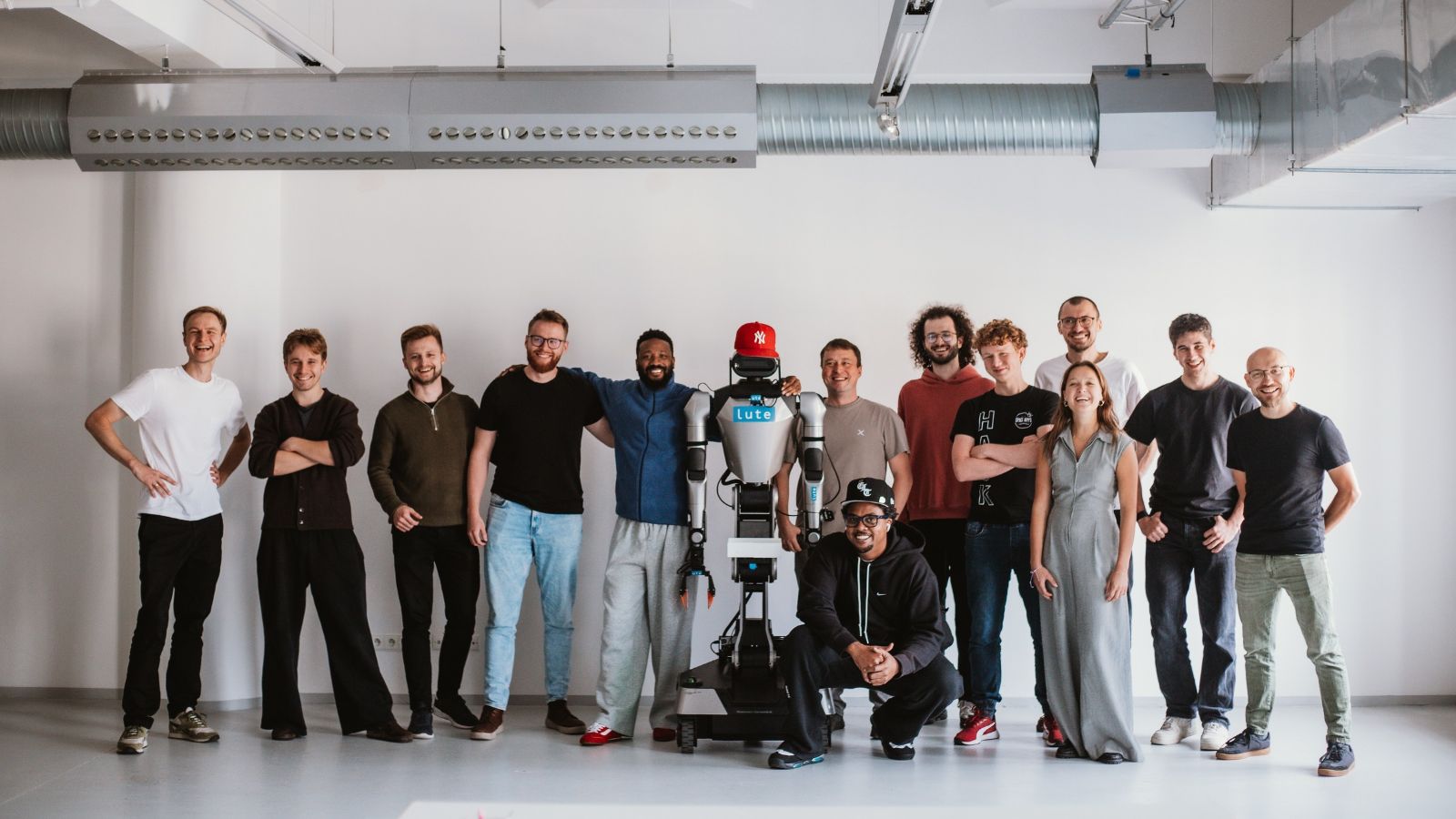
Founders Paweł Budzianowski (CEO) and Krzysztof Walas (CTO) combine two things this business needs and rarely gets together: experience taking AI from research to paying enterprise customers, and deep robotics credibility with European industrial buyers.
Paweł previously co-founded K-Scale Labs and led the ML team at PolyAI. Krzysztof is a former associate professor at Poznań University of Technology, where he worked on tactile sensing and dexterous manipulation.
Beyond capital, we can share what we’ve learned from companies in adjacent areas of robotics, from market knowledge to introductions through our expert networks.


Paweł Budzianowski
Co-founder & CEO

Lute builds in two layers.
Vision comes first, supported by remote operators. The robots run unattended around 90% of the time.
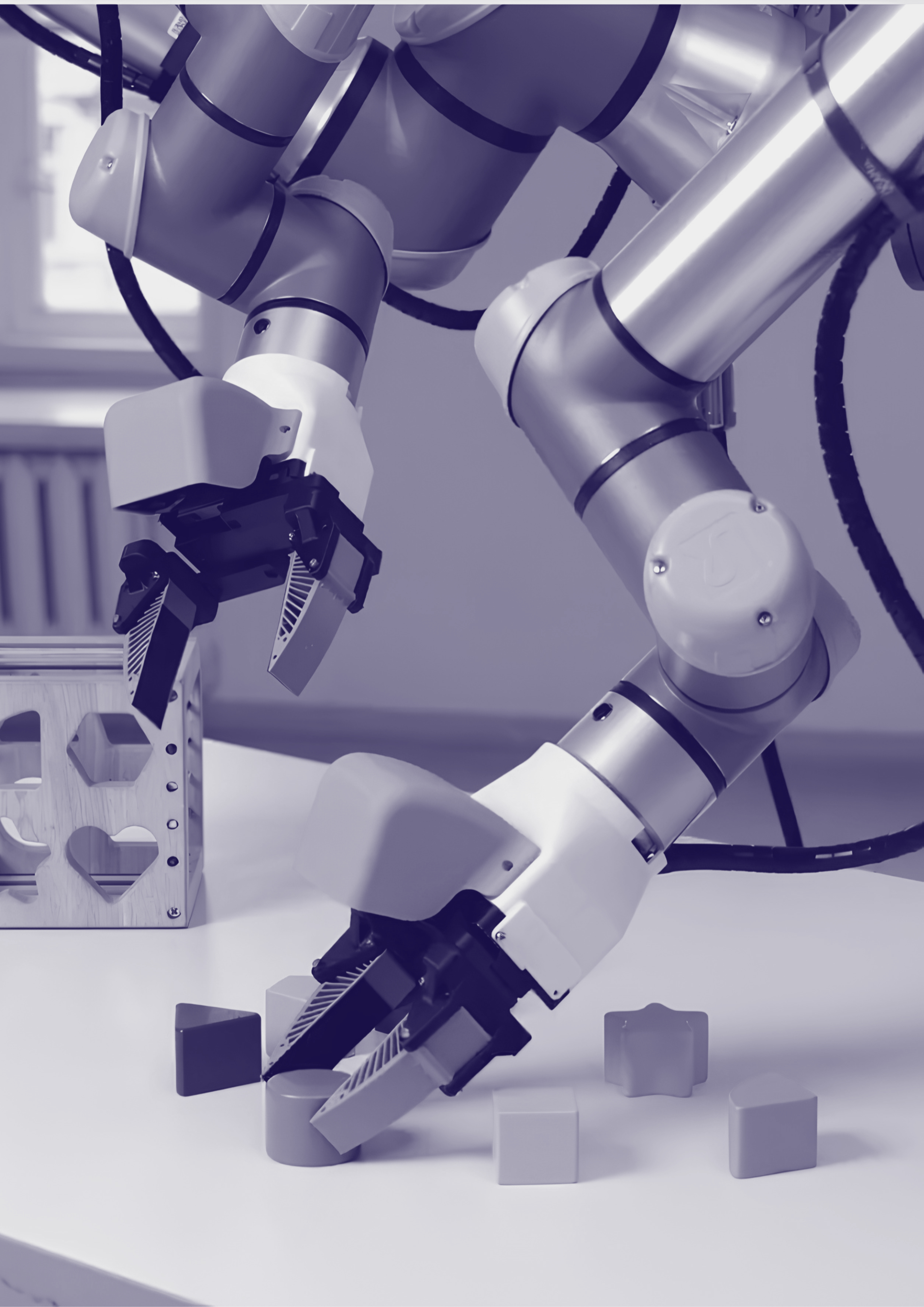
Touch sits on top. Lute co-designed compact, elastomer-based tactile sensors with a partner and built them into a portable setup that collects touch-rich data at scale.
Lute uses that data to build foundation models trained on touch as well as vision. Its first video-action model, Lute-0, matched Pi0.5 on dexterous tasks with about a tenth of the pre-training data.
Lute is early, but it's already working on real sites in retail, warehouses and 3PL Logistics: